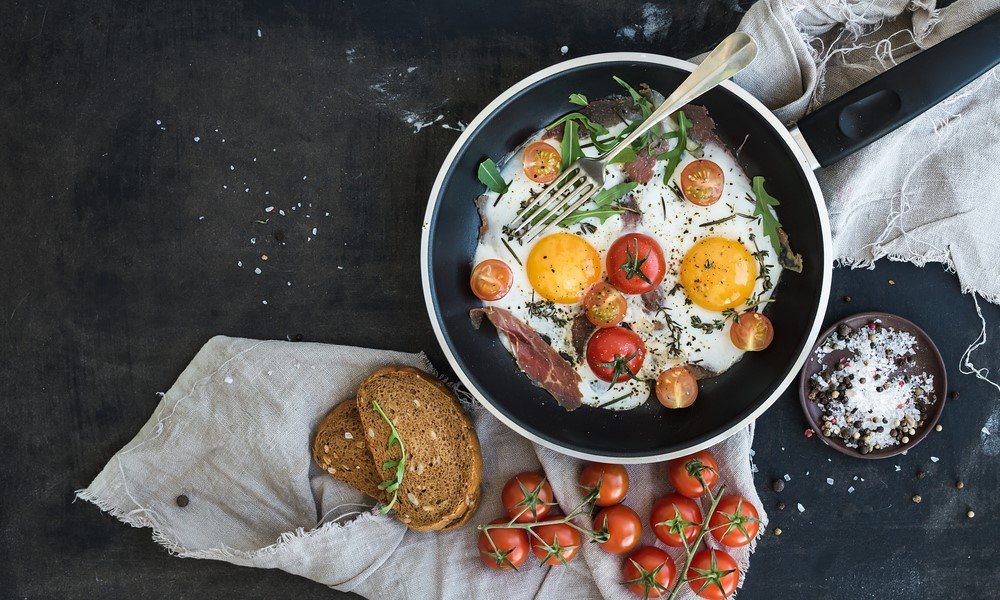



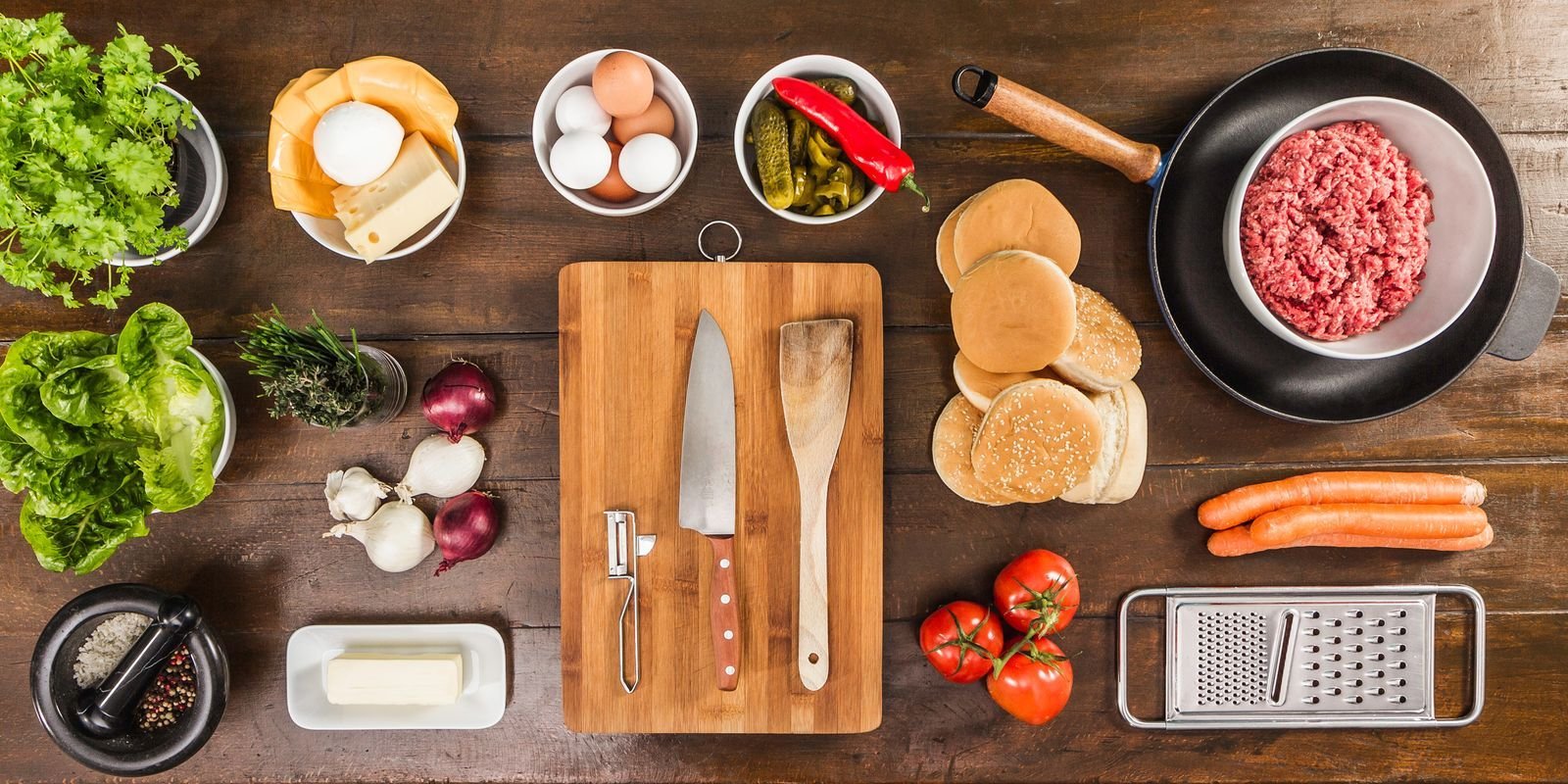
There’s something magical about the aroma that rises from a sizzling pan—the gentle hiss of oil, the soft crackle of spices, and the promise of something delicious in the making. The kitchen isn’t just a room filled with utensils and ingredients; it’s the beating heart of a home. It’s where creativity meets comfort, where memories simmer alongside sauces, and where each dish tells a story. From Frying Pan to Flavor Town is not just a journey through recipes but an exploration of inspiration, flavor, and the art of transforming the simplest ingredients into culinary joy.
1. The Everyday Kitchen: More Than Just Cooking
For many of us, cooking begins as a daily necessity. We cook to survive—to fill stomachs and feed families. Yet somewhere between chopping onions and plating meals, something beautiful happens. The kitchen evolves into a personal stage for self-expression. Each meal becomes an opportunity to experiment, to share, to celebrate small victories, and to turn ordinary days into flavorful adventures.
The beauty of everyday cooking lies in its spontaneity. You don’t need a Michelin-starred setup to create magic. Sometimes it’s just a humble frying pan, a pinch of imagination, and a willingness to explore. Whether you’re whipping up breakfast before work or preparing dinner after a long day, the kitchen invites you to pause and connect—with yourself, your ingredients, and your loved ones.
2. The Power of Simple Ingredients
One of the biggest misconceptions in cooking is that you need fancy or expensive ingredients to create something remarkable. In truth, some of the most memorable dishes are born from simplicity. Think about a basic omelet made with fresh eggs, a dash of salt, and a sprinkle of herbs. Or a bowl of noodles tossed in soy sauce, garlic, and sesame oil. These uncomplicated recipes prove that flavor doesn’t depend on extravagance—it depends on intention.
Take olive oil, for instance. A drizzle of quality oil can transform plain vegetables into a golden, fragrant side dish. Similarly, spices like cumin, paprika, or turmeric can elevate the most modest ingredients into something extraordinary. The key lies in balance—understanding how each flavor interacts, and letting them complement rather than compete.
3. Finding Creativity in Routine
Cooking every day can feel repetitive at times, especially when juggling work, family, and responsibilities. But even routine meals can be reinvented with a touch of creativity. That’s where the fun begins—when you challenge yourself to see old ingredients in new ways.
Leftover rice? Turn it into flavorful fried rice with vegetables and soy sauce. Stale bread? Make crunchy croutons for soups and salads. Have some overripe bananas? That’s your next banana bread waiting to happen. The secret to kitchen inspiration is embracing improvisation. Don’t see leftovers as waste—see them as opportunities. Every ingredient has hidden potential if you’re willing to look closely.
Creativity in cooking doesn’t have to mean complexity. It could simply be swapping butter for olive oil, adding a new herb, or experimenting with spice blends. Each small tweak keeps your kitchen exciting and your meals refreshing.
4. The Role of Emotions in Flavor
Food and emotion are deeply intertwined. The mood you bring into the kitchen often reflects in your food. A joyful cook tends to season with love; a stressed cook may rush through the process. That’s why it’s essential to approach cooking as more than a chore—it’s a form of self-care.
When you cook mindfully, you engage your senses—the warmth of the stove, the aroma of garlic sizzling in oil, the texture of dough under your hands. These experiences anchor you in the present moment. Cooking becomes a form of meditation, a rhythm that calms the mind and nourishes the soul.
Some meals carry emotional weight because they remind us of home, family, or special moments. That Sunday stew your grandmother used to make, the first curry you learned to cook, or the pancakes shared on a lazy morning—all become edible memories. Every bite connects us to people, places, and feelings that shape our lives.
5. Building Your Flavor Palette
To move from the frying pan to Flavor Town, you need to develop a personal flavor palette. Just as artists mix colors, cooks blend tastes—sweet, salty, sour, bitter, and umami—to create harmony.
Start by identifying what excites your taste buds. Do you prefer bold, spicy dishes or mild, creamy flavors? Are you drawn to tangy sauces, earthy herbs, or smoky undertones? Once you know your preferences, you can begin crafting your own signature style.
Don’t be afraid to experiment. Combine ingredients that might seem unusual—chili with chocolate, honey with mustard, lemon with rosemary. Sometimes the most unexpected pairings lead to unforgettable results. Keep a small notebook to jot down what works and what doesn’t. Over time, this becomes your personal guide to flavor creation.
6. The Magic of Seasoning
Salt, pepper, and spices are the unsung heroes of every kitchen. Seasoning can make or break a dish—it’s the invisible hand that brings flavors to life. The trick is knowing when and how much to season.
Adding salt early helps ingredients release their natural moisture and sweetness. A touch of acid, like lemon juice or vinegar, can brighten dull flavors. Herbs add freshness, while spices provide depth and warmth. And don’t underestimate the role of texture—crisp, creamy, crunchy—all of these sensations enrich your eating experience.
A well-seasoned dish isn’t necessarily strong or overpowering. It’s balanced. Each element should contribute without overshadowing the others, creating a symphony of tastes in every bite.
7. The Joy of Sharing
Cooking becomes truly meaningful when it’s shared. A homemade meal carries warmth that no restaurant can replicate. When you cook for others, you’re not just feeding them—you’re showing care, gratitude, and connection.
Think about the laughter that fills a kitchen during family gatherings or the quiet comfort of cooking for someone you love. These moments remind us that food is not just about sustenance—it’s about togetherness. The table becomes a space of unity, where stories are exchanged and hearts are nourished as much as stomachs.
Even small gestures count. Packing a lunchbox for a friend, baking cookies for a neighbor, or hosting a casual dinner—all these acts spread joy far beyond the kitchen.
8. Kitchen Confidence: Learning Through Mistakes
Every cook has faced burnt rice, salty soup, or undercooked pasta at some point. Mistakes in the kitchen are inevitable—but they’re also invaluable. Each one teaches you something new.
Instead of seeing them as failures, treat them as lessons. The best chefs in the world learned through trial and error. The key is curiosity—asking “why did this happen?” instead of “why did I fail?” Maybe the pan was too hot, the timing was off, or the seasoning was uneven. Adjust, learn, and try again.
Confidence in the kitchen doesn’t come from perfection; it comes from persistence. Every time you cook, you refine your instincts—how much salt to use, when to flip, how to judge doneness. Over time, you’ll move from following recipes to creating your own.
9. Sustainability and Mindful Cooking
In today’s world, being a responsible cook means thinking about where your food comes from and how you use it. Sustainable cooking isn’t just a trend—it’s a mindset. It starts with small steps: reducing food waste, supporting local farmers, and choosing seasonal produce.
When you plan meals around what’s available locally, you not only save money but also support your community and enjoy fresher, more flavorful ingredients. Composting vegetable scraps or using them for broth is another great way to minimize waste.
Mindful cooking also involves gratitude—acknowledging the effort behind every ingredient, from the farmer’s soil to the hands that harvested it. When you cook with awareness, every dish becomes a celebration of nature’s generosity.
10. Bringing Flavor Town Home
Flavor Town isn’t a physical destination—it’s a mindset. It’s that moment when you taste something you’ve made and think, “Wow, that’s good.” It’s about curiosity, passion, and joy in the everyday act of cooking.
To bring Flavor Town into your kitchen, start with three simple habits:
- Explore new cuisines. Try dishes from cultures you’ve never cooked before—Indian curries, Thai stir-fries, Italian pastas, or Middle Eastern mezze.
- Upgrade your staples. Replace store-bought sauces with homemade versions, use fresh herbs instead of dried, and experiment with infused oils.
- Make cooking an experience. Play music, light a candle, involve your family, or simply enjoy cooking in silence. Turn it into something you look forward to, not a task you rush through.
The more you embrace the process, the richer your meals—and your life—become.
11. The Emotional Reward of a Home-Cooked Meal
There’s an indescribable pride that comes with serving a dish you’ve made from scratch. Watching others enjoy your food is one of the simplest yet most fulfilling joys in life. Cooking allows you to express love without words—it’s a gift of time, effort, and creativity.
Even cooking for yourself carries emotional power. It’s a reminder that you deserve care and nourishment, even on days when no one else is around. In that sense, the kitchen becomes a place of empowerment—a sanctuary where you can recharge and reconnect with yourself.
12. The Endless Journey of Taste
The journey from frying pan to flavor town never truly ends. There’s always a new ingredient to discover, a recipe to try, or a technique to master. What begins as a simple act of feeding yourself can blossom into a lifelong passion for flavor exploration.
Cooking teaches patience, humility, and curiosity. It encourages experimentation, rewards creativity, and connects us to culture and community. Every dish you make—no matter how simple—adds another chapter to your personal flavor story.
So, the next time you step into your kitchen, don’t just cook. Create. Taste. Explore. Let your frying pan be your compass and your curiosity the map that leads you straight to Flavor Town. Because in the end, the true recipe for inspiration isn’t written on paper—it’s written in every sizzling sound, every fragrant swirl, and every heartfelt meal you share.