Kitchen Chronicles: Cooking Smarter with Every Drop of Oil
In every kitchen, oil is more than just an ingredient—it’s a foundation of flavor, texture, and tradition. From sizzling stir-fries to delicate dressings, oil plays a crucial role in shaping the way we cook and taste food. Yet, in an age where health, sustainability, and efficiency are key, learning to cook smarter with every drop of oil has become an art form. This is not just about reducing fat; it’s about understanding oil—its science, purpose, and potential. Welcome to the Kitchen Chronicles, where every drop counts.
1. The Golden Essence: Understanding the Role of Oil in Cooking
Oil is one of the oldest cooking essentials known to humankind. Ancient civilizations used olive oil not only for cooking but also for medicinal and ceremonial purposes. Today, our choices have expanded—sunflower, canola, coconut, avocado, sesame, and more. Each type carries unique flavors, smoke points, and nutritional benefits.
At its core, oil acts as a heat transfer medium. It allows food to cook evenly without burning. It adds depth to flavors, brings out aroma, and gives that luscious, golden crisp we all love. But cooking smarter with oil starts with understanding which oil suits what purpose. For instance, olive oil is perfect for drizzling or sautéing at low heat, while peanut or sunflower oil stands strong for deep frying.
By learning how oils behave, you not only improve your dishes but also waste less. That’s the first step to mastering the art of cooking smarter.
2. The Science Behind the Sizzle
When oil hits the pan, magic happens—scientifically known as the Maillard reaction. This process creates that mouthwatering brown crust on your food. But not all oils perform equally under heat. Each has a “smoke point”—the temperature at which it starts to burn and produce harmful compounds.
Cooking smarter means matching your oil to the right temperature. For example:
- High heat cooking: Use oils with higher smoke points like avocado, peanut, or grapeseed oil.
- Medium heat cooking: Canola or sunflower oil works beautifully.
- Low heat or no heat: Extra virgin olive oil or flaxseed oil keeps nutrients intact and enhances flavor.
Overheating oil doesn’t just ruin taste—it breaks down nutrients and can create toxins. By understanding this, you save health, flavor, and every precious drop of oil.
3. Less Is More: Portioning Oil Wisely
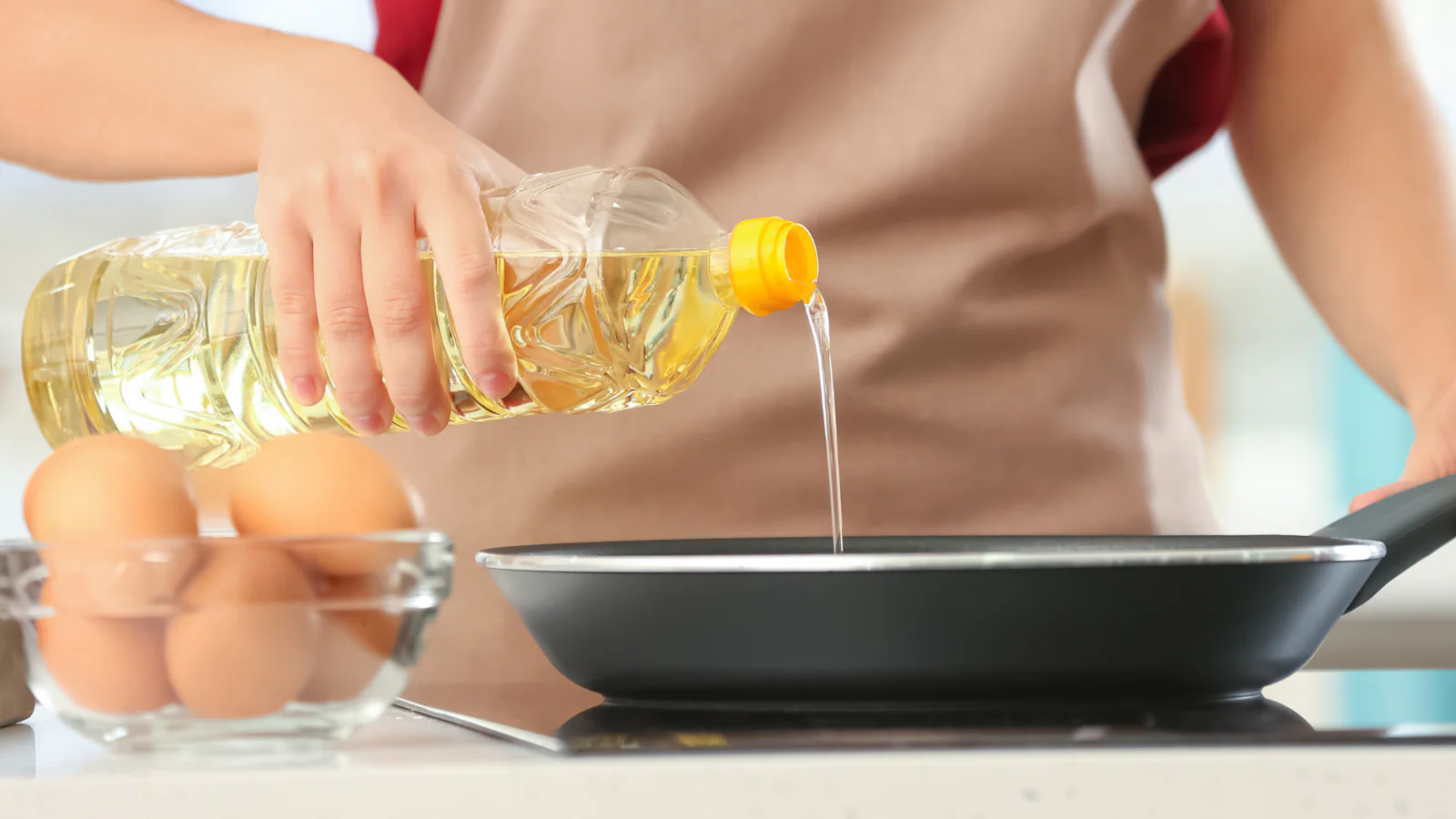
Most home cooks pour oil instinctively, rarely measuring. But a smart cook knows that a tablespoon can make a big difference. Using too much oil not only adds unnecessary calories but also dulls the natural flavor of your ingredients.
Try this trick: use a spray bottle or a pastry brush. A fine mist or light coating often gives the same crisp texture you’d get with a heavy pour. Non-stick cookware also helps—requiring less oil for the same result.
Cooking with awareness turns waste into efficiency. You’ll be surprised how a little oil can still create rich, delicious dishes. And as an added bonus, your bottles last longer—saving both your wallet and the planet.
4. Flavor Infusion: Every Drop Tells a Story
Smart cooking isn’t just about cutting down—it’s about enhancing flavor strategically. Infused oils are a clever way to multiply taste without adding excess fat. Imagine a drizzle of garlic-infused olive oil over pasta, or chili oil over noodles. You get all the boldness of spice or herbs without overusing oil.
To make infused oils at home, gently warm your chosen oil with herbs, spices, or citrus peels, then let it rest. It’s simple, aromatic, and versatile. A teaspoon of infused oil can replace a tablespoon of regular oil in many dishes.
Each drop becomes more valuable when it carries more flavor. That’s the beauty of cooking smarter—less quantity, more impact.
5. Oil and Health: Choosing the Right Fat for the Right Goal
Cooking smarter isn’t only about taste; it’s about health. Not all oils are created equal—some are nutrient-rich while others are better avoided in large amounts.
- Olive oil: High in monounsaturated fats, great for heart health.
- Avocado oil: Packed with antioxidants and good for high-heat cooking.
- Coconut oil: Offers a unique flavor, but should be used moderately due to its saturated fat content.
- Flaxseed oil: High in omega-3s, ideal for salad dressings.
- Canola oil: Neutral in flavor, low in saturated fat.
Cooking smarter means knowing when and how to use these oils. Rotate your oils occasionally—variety ensures a balance of nutrients. When you cook consciously, your meals not only taste better but also nourish better.
6. Sustainable Cooking: Respecting Every Drop
Sustainability begins in your kitchen. Wasting oil isn’t just a financial loss—it has environmental consequences too. Used oil, if poured down the sink, can clog drains and pollute waterways. Cooking smarter means rethinking how we use and dispose of oil.
Whenever possible, reuse oil safely. Strain fried oil through a fine sieve or cheesecloth to remove food particles, and store it in a cool, dark place. However, avoid reusing oil more than twice, as its structure and taste degrade over time.
For disposal, collect used oil in a container and take it to a recycling center if available. Some cities even turn used cooking oil into biofuel! Cooking smarter means being mindful of the planet as well as your plate.
7. The Art of Balancing Flavor and Nutrition
A truly great dish doesn’t drown in oil—it balances it. Smart cooking techniques like grilling, baking, steaming, or air frying help achieve the same delicious results with minimal oil.
For instance, roasting vegetables in a thin coat of oil enhances natural sweetness while maintaining crunch. Or, try air frying—just a teaspoon of oil can give you crispy fries that rival the deep-fried ones.
Balance is everything. Oil should complement, not dominate. The right balance keeps meals light yet flavorful, indulgent yet healthy.
8. Smarter Cooking Tools for Smarter Oil Use
Technology has revolutionized modern kitchens. Today’s cookware and gadgets can help you optimize oil use without compromising quality.
Non-stick pans, air fryers, and oil sprayers are excellent examples. A good non-stick pan reduces the need for excess oil, while an air fryer circulates hot air to mimic frying with minimal fat. Smart scales or measuring spoons can also help you pour precisely.
Even your choice of utensils matters—silicone brushes or spray pumps distribute oil evenly. When you use the right tools, every drop of oil works harder and goes further.
9. Oil Storage: Keeping Freshness Intact
Cooking smarter also means knowing how to store oil properly. Light, heat, and air are oil’s biggest enemies. They cause oxidation, which can make oil rancid and unhealthy.
Store oil in dark glass bottles away from the stove. Keep them tightly sealed to maintain freshness. For oils with shorter shelf lives, like flaxseed or walnut oil, refrigeration helps extend their quality.
When your oil smells off or tastes bitter, it’s time to let it go. Fresh oil enhances your dish; old oil ruins it. Smart cooks respect the freshness of every ingredient.
10. The Global Influence: How Cultures Use Oil Smartly
Every culture has its unique relationship with oil. The Mediterranean diet, known for olive oil, emphasizes moderation and balance. Asian cuisines often use sesame or peanut oil to create bold flavors with just a drizzle.
In India, tempering spices in a small amount of hot oil brings out their aroma and depth. In Japan, a delicate brush of oil on the pan ensures food cooks evenly without sticking.
What these diverse traditions share is mindfulness—using oil not as a filler, but as a flavor carrier. That’s the universal secret to cooking smarter with every drop.
11. Mindful Eating Starts with Mindful Cooking
Cooking smarter with oil is more than a kitchen skill—it’s a mindset. When you respect your ingredients, measure thoughtfully, and cook consciously, you form a deeper connection with your food.
Try observing how oil behaves in your pan, how it smells when it warms, and how a light drizzle can transform a simple dish. This awareness leads to better cooking and healthier habits. It turns the kitchen into a place of creativity and care, not waste and excess.
12. A Drop of Innovation: The Future of Smart Cooking Oils
Innovation is reshaping the way we think about oil. Scientists are developing oils with improved health profiles, such as high-oleic sunflower or algae-based oils. These are rich in nutrients, stable at high heat, and environmentally sustainable.
In the near future, smart dispensers may automatically measure and track oil usage, helping home cooks control portions effortlessly. Cooking smarter with oil isn’t just about tradition—it’s about embracing technology that promotes health, taste, and sustainability.
13. The Emotional Connection: Oil as a Symbol of Care
Think of your favorite homemade dish—the aroma of fried onions, the gleam of oil coating a curry, or the golden crust on a roast. Every drop of oil carries emotion, memory, and effort. Cooking smarter doesn’t mean removing oil from the picture—it means honoring it.
When you use oil wisely, you express care for your loved ones’ health and the environment. It’s a silent act of love, hidden in every meal.
14. Conclusion: Every Drop Matters
The true essence of cooking smarter with every drop of oil lies in mindfulness—knowing when to pour, how much to use, and why it matters. From science to sustainability, from flavor to health, every aspect of oil tells a story worth understanding.
In this modern age, where convenience often overrides consciousness, the kitchen remains a place where small actions make big differences. By valuing every drop of oil, you’re not just cooking—you’re crafting a lifestyle of awareness, wellness, and respect for your ingredients.
So the next time you reach for that bottle, pause for a second. Feel its weight, watch the light glisten through it, and remember: every drop counts. Cook smarter, eat better, and let your kitchen chronicle a story of care, creativity, and conscious living.