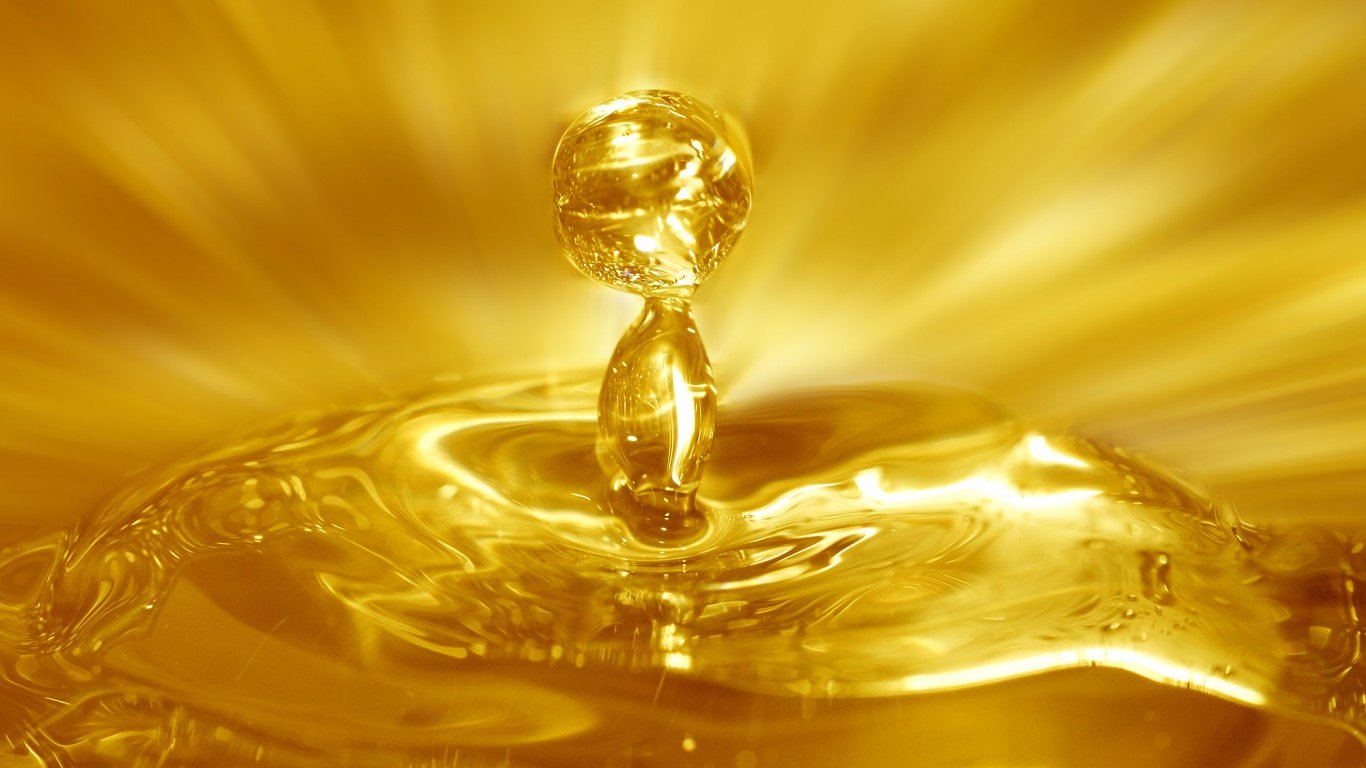
When you walk into a kitchen filled with the aroma of sizzling onions, fragrant herbs, and the subtle crackle of something delicious cooking, there’s often one invisible hero making it all happen—oil. These golden drops don’t just prevent food from sticking to the pan; they transform textures, enrich flavors, and add that irresistible shine that makes a meal come alive. Yet behind their gleam lies a fascinating world of science, culture, and culinary artistry. Let’s explore the secrets behind the oils that make our meals shine, from ancient traditions to modern health revelations.
1. The Ancient Essence of Oil
Oil has been part of human life for thousands of years, long before the invention of stoves or frying pans. Ancient civilizations viewed it as a sacred gift. In Egypt, olive oil was used not only for cooking but also for beauty rituals and medicine. The Greeks called it “liquid gold,” symbolizing purity, health, and prosperity. Across Asia, sesame and mustard oils were treasured for their deep flavors and healing properties.
Every culture developed its unique relationship with oil. In Mediterranean kitchens, olive oil was the heart of every dish—poured generously over bread, salads, and roasted vegetables. In India, ghee (clarified butter) and mustard oil became staples of traditional cooking, each bringing its distinctive aroma and taste. Meanwhile, in East Asia, sesame oil and peanut oil added nutty undertones to stir-fries and noodles.
Oil wasn’t just about taste—it was a connection to nature, tradition, and life itself.
2. The Science Behind the Shine
Why does food glisten when cooked in oil? The answer lies in both chemistry and physics. When heat meets oil, the liquid forms a thin, glossy film that coats the food’s surface. This layer locks in moisture, preventing the ingredients from drying out, while also creating a golden-brown crust through a process called the Maillard reaction.
The Maillard reaction is where proteins and sugars combine under heat to form complex flavors and beautiful colors. That crispy fry, that golden piece of chicken, or that glimmering sautéed vegetable—all owe their beauty to this science.
Different oils have different smoke points—the temperature at which they start to break down and smoke. For example, extra virgin olive oil has a lower smoke point compared to avocado or sunflower oil. This means olive oil is ideal for drizzling or light sautéing, while oils with higher smoke points are perfect for frying or grilling.
Understanding these details helps cooks not only preserve the flavor but also maintain the oil’s nutritional value.
3. The Flavor Carriers
Oil does more than cook—it carries flavor. Certain molecules in oil dissolve and transport fat-soluble compounds from herbs and spices, enhancing the depth of a dish. When garlic, chili, or rosemary sizzles in warm oil, their natural essences infuse into the liquid, creating a powerful flavor base that defines the dish.
Think of Italian pasta tossed with garlic-infused olive oil, or Asian chili oil dripping over dumplings—the oil becomes more than an ingredient; it becomes a storyteller.
Every type of oil has its own character:
- Olive oil offers fruitiness with peppery undertones.
- Coconut oil brings a subtle sweetness, making it ideal for curries and tropical desserts.
- Sesame oil adds nuttiness and depth to Asian recipes.
- Avocado oil gives a buttery smoothness with a high smoke point.
- Sunflower oil stays light and neutral, perfect for baking or frying.
When chosen thoughtfully, oil can elevate a dish from ordinary to extraordinary.
4. Liquid Gold for Health
While oil adds richness and flavor, its role in health is equally important. Not all oils are created equal—some nourish the body, while others can harm it if used carelessly.
Healthy oils, particularly those rich in monounsaturated and polyunsaturated fats, help balance cholesterol levels, support heart health, and provide essential fatty acids that the body cannot produce on its own. Olive oil, avocado oil, flaxseed oil, and walnut oil are among the best choices for maintaining a balanced diet.
On the other hand, trans fats and overly processed oils can lead to inflammation and cardiovascular problems. That’s why cold-pressed and minimally refined oils are preferred—they retain natural nutrients, antioxidants, and flavor.
Even within the realm of healthy oils, moderation is key. A drizzle can transform a dish, but excess can overpower it and add unnecessary calories. As the saying goes, “a little goes a long way,” especially when it comes to golden drops.
5. The Art of Pairing Oil with Food
Just as wine is paired with specific meals, the choice of oil can define a recipe’s success. A skilled cook knows that harmony between oil and ingredients is vital.
- For Mediterranean dishes, extra virgin olive oil brings out the earthiness of tomatoes, basil, and garlic.
- In Asian cuisine, sesame and peanut oils complement soy sauce, ginger, and chili.
- For baked goods, neutral oils like canola or sunflower allow sweetness to shine without interference.
- For grilling and roasting, avocado and grapeseed oils withstand high heat and preserve natural flavors.
The pairing also depends on technique. Cold dishes, like salads or dressings, benefit from oils with complex aromas—extra virgin olive oil or walnut oil adds sophistication. For high-heat frying or searing, stability matters more than scent.
Mastering this art turns simple cooking into an experience of sensory balance.
6. Cultural Secrets and Traditions
Every cuisine has its oil-based secrets—tiny rituals passed through generations. In Italian kitchens, grandmothers still finish soups and pasta with a few drops of raw olive oil, believing it “awakens” the dish. In India, “tadka” or “tempering” involves heating spices in hot oil to release their essence before pouring it over lentils or curries—a burst of aroma and flavor that defines the meal.
In Japan, sesame oil is used sparingly, almost like perfume, adding aroma at the very end of cooking. In the Middle East, olive oil is not just food—it’s medicine, a cleanser, even a blessing.
These customs reveal how oil shapes identity and connects food to emotion. Behind every bottle lies heritage, memory, and wisdom refined over centuries.
7. Sustainability and the Future of Oils
As the world becomes more conscious about health and the environment, the production of oil is also evolving. Traditional methods like cold-pressing and stone-grinding are being revived because they preserve nutrients and require less energy. Meanwhile, sustainable farming practices are reducing the environmental impact of crops like olives, coconuts, and avocados.
There’s also innovation in alternative oils—such as algae oil, hemp seed oil, and even oil made from insects. These new sources are eco-friendly and nutritionally rich, offering a glimpse into the future of cooking.
However, sustainability doesn’t end with production. It extends to mindful consumption—using oil wisely, avoiding waste, and appreciating every drop.
8. The Magic of Texture and Shine
Beyond taste and nutrition, oil plays an aesthetic role. It gives food that irresistible glimmer—the glossy surface of a roasted vegetable, the sheen of a golden croissant, or the shimmer of soup in candlelight.
Professional chefs use oil not only for flavor but also for presentation. A light brush of olive oil on grilled bread or a drizzle over fresh pasta adds both elegance and appetite appeal. Food stylists often call it the “finishing touch,” turning an ordinary plate into a masterpiece.
In photography and fine dining, oil symbolizes abundance, warmth, and care. It’s not just something you taste—it’s something you feel.
9. Oils and Emotions
Cooking with oil engages more than the senses—it touches emotion. The gentle sizzle when it meets the pan, the scent that fills the room, the golden glow that forms—these moments connect us to the joy of creation.
There’s comfort in the familiar sound of something frying in a favorite oil, just as there’s excitement in trying a new flavor combination. Each drop becomes part of a story—one of love, tradition, and nourishment.
When you drizzle oil over a salad, stir it into a sauce, or brush it on bread, you’re continuing an ancient ritual that celebrates life itself.
10. Choosing the Right Oil for You
With so many options available today, choosing the right oil can feel overwhelming. But a few simple principles can guide you:
- Know your purpose. Use high-smoke-point oils for cooking and delicate oils for dressings.
- Read the label. Look for “cold-pressed,” “unrefined,” or “extra virgin” to ensure purity.
- Experiment. Don’t limit yourself—try nut oils, seed oils, or blends to expand your culinary palette.
- Store smartly. Keep oils in cool, dark places to maintain freshness and prevent oxidation.
The perfect oil for your kitchen is the one that fits your taste, health goals, and cooking style.
11. From Kitchen to Table: The Golden Glow
At the end of the day, oil is more than fat—it’s the golden thread that weaves together the sensory and emotional tapestry of food. It transforms the ordinary into extraordinary, revealing beauty in simplicity. Whether you’re frying, baking, or drizzling, each drop tells a story of transformation.
The next time you see that soft shimmer on a perfectly cooked meal, remember the secret behind it. It’s not just heat or technique—it’s the magic of golden drops doing their quiet, brilliant work.
Conclusion: The Brilliance Within Every Drop
Oil is both ancient and modern, humble yet powerful. It connects our hands to the earth, our meals to our memories, and our kitchens to the vast history of human creativity. Those golden drops hold the wisdom of generations and the promise of new discoveries.
From olive groves in Greece to coconut palms in the tropics, from the sizzling pans of Asia to the refined kitchens of Europe, oil remains the universal symbol of life’s richness.
So the next time you pour a little into your pan, do it with reverence. Watch it shimmer, listen to it whisper, and let it remind you that the simplest ingredients often hold the deepest secrets.
Because in every golden drop, there’s a story—a story that makes every meal shine.